Chiropractic Techniques
Hand Adjusting
Hand adjusting techniques are manual chiropractic methods used to restore motion, improve alignment, reduce tension, and help the body function better. Each technique has its own style and purpose, and your chiropractor chooses the one that best fits your body, comfort level, and needs.
There are many different hand adjusting techniques in chiropractic, and each one offers its own benefits. Some are more traditional and direct, like Diversified, while others are gentler, like Thompson Drop, SOT, and Logan Technique. Applied Kinesiology adds muscle testing to help guide care in a personalized way. The goal of all of these techniques is to help improve movement, reduce pain, support alignment, and allow the body to function at its best.
Diversified Technique
Diversified is one of the most well-known chiropractic adjusting techniques. It uses a specific hands-on adjustment with a quick, controlled thrust to help restore motion to the spine or joints. This is the technique many people think of when they hear a chiropractic “adjustment.” It can be very effective for improving mobility, decreasing stiffness, and relieving pain.
Thompson Drop Technique
Thompson Drop uses a special chiropractic table with sections that gently drop during the adjustment. This allows the chiropractor to use less force while still getting a very effective result. Patients often like this technique because it feels lighter and more comfortable than a stronger manual adjustment, while still helping the joints move better.
Logan Technique
Logan Basic Technique is a gentle chiropractic method that focuses especially on the sacrum and surrounding supporting structures. It uses light pressure and a gentle approach to help relax tension patterns throughout the spine. Many patients appreciate Logan Technique because it is calming, subtle, and supportive for people who prefer a softer treatment style.
Sacro Occipital Technique (SOT)
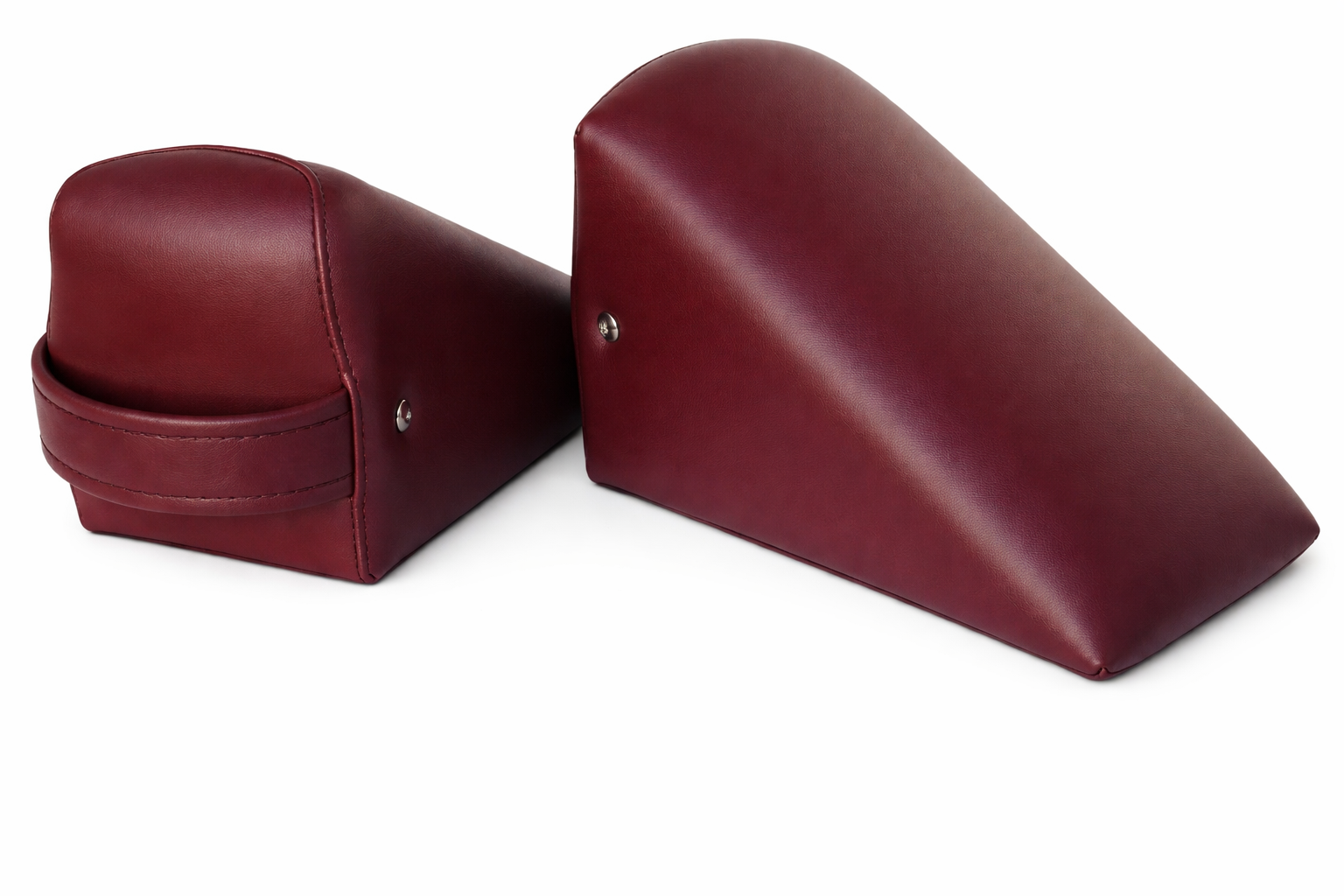
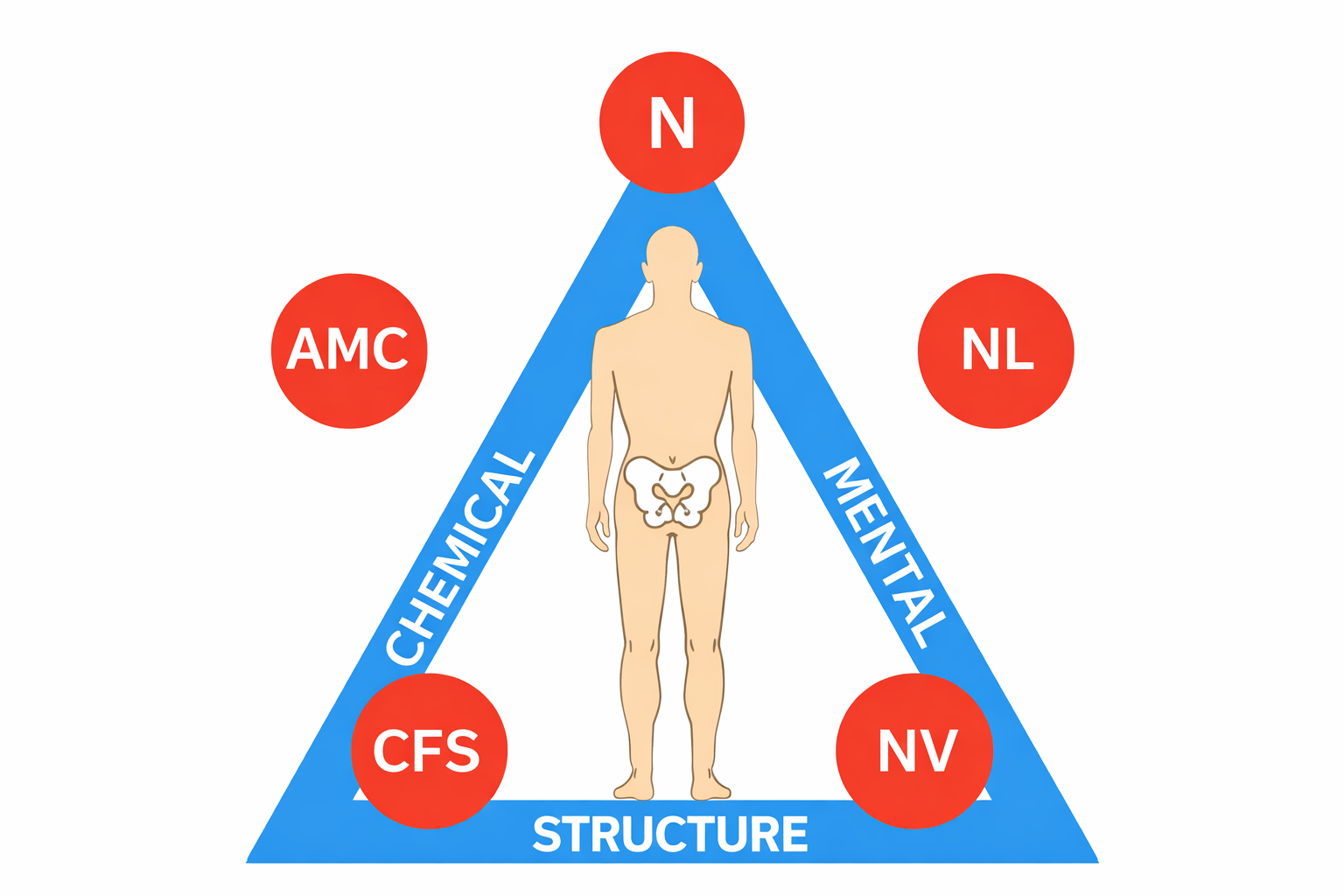
Sacro Occipital Technique, often called SOT, focuses on the relationship between the sacrum at the base of the spine and the occiput at the base of the skull. This technique is designed to help balance the body, ease tension, and improve how the spine and nervous system work together. It is often a gentler technique and may include positioning blocks as well as specific adjustments.
Applied Kinesiology
Applied Kinesiology combines chiropractic care with muscle testing to help evaluate how the body is functioning. The chiropractor may test muscle response to help identify areas of imbalance, stress, or weakness in the body. It can be used along with adjustments and other supportive therapies to create a more individualized treatment approach.